
Skip to content
DSI Dry Sorbent Injection

DSI Dry Sorbent Injection

DSI Dry Sorbent Injection is a low-water treatment solution that neutralizes acidic flue-gas components through dry reagent dosing.

Contact Us

DSI Dry Sorbent Injection

Dry Collection

DUCON

Product Gallery

DSI Dry Sorbent Injection

2 images
DSI Dry Sorbent Injection

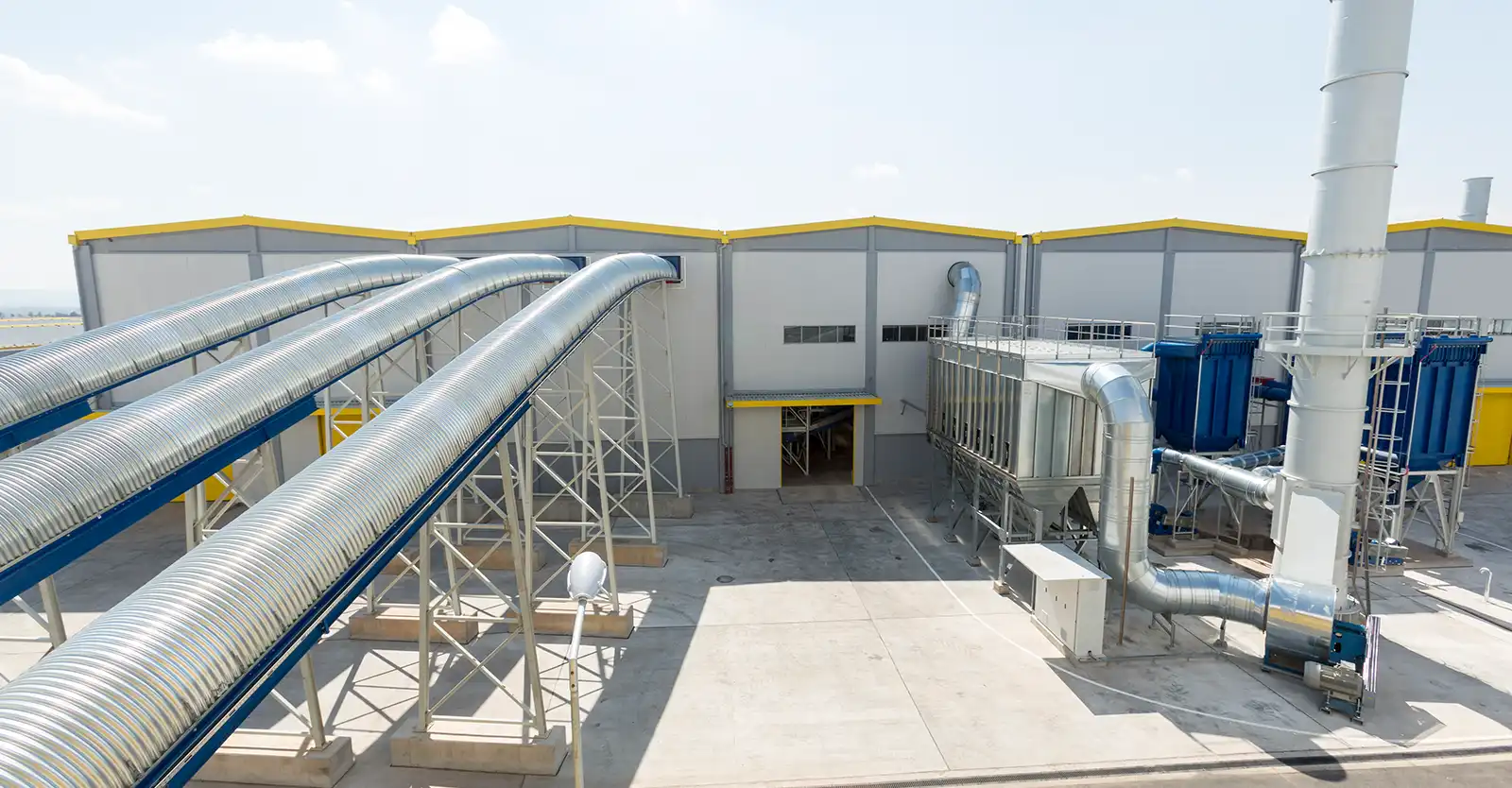
DUCON Systems provides several types of Dry FGD systems:

Dry Sorbent Injection, Dry Circulating Reactor, and semi dry FGD system, to remove Sulfur dioxide, hydrogen chloride, and other toxic gaseous components and particulate from flue gases.

DUCON can use several chemical reagents, such as:

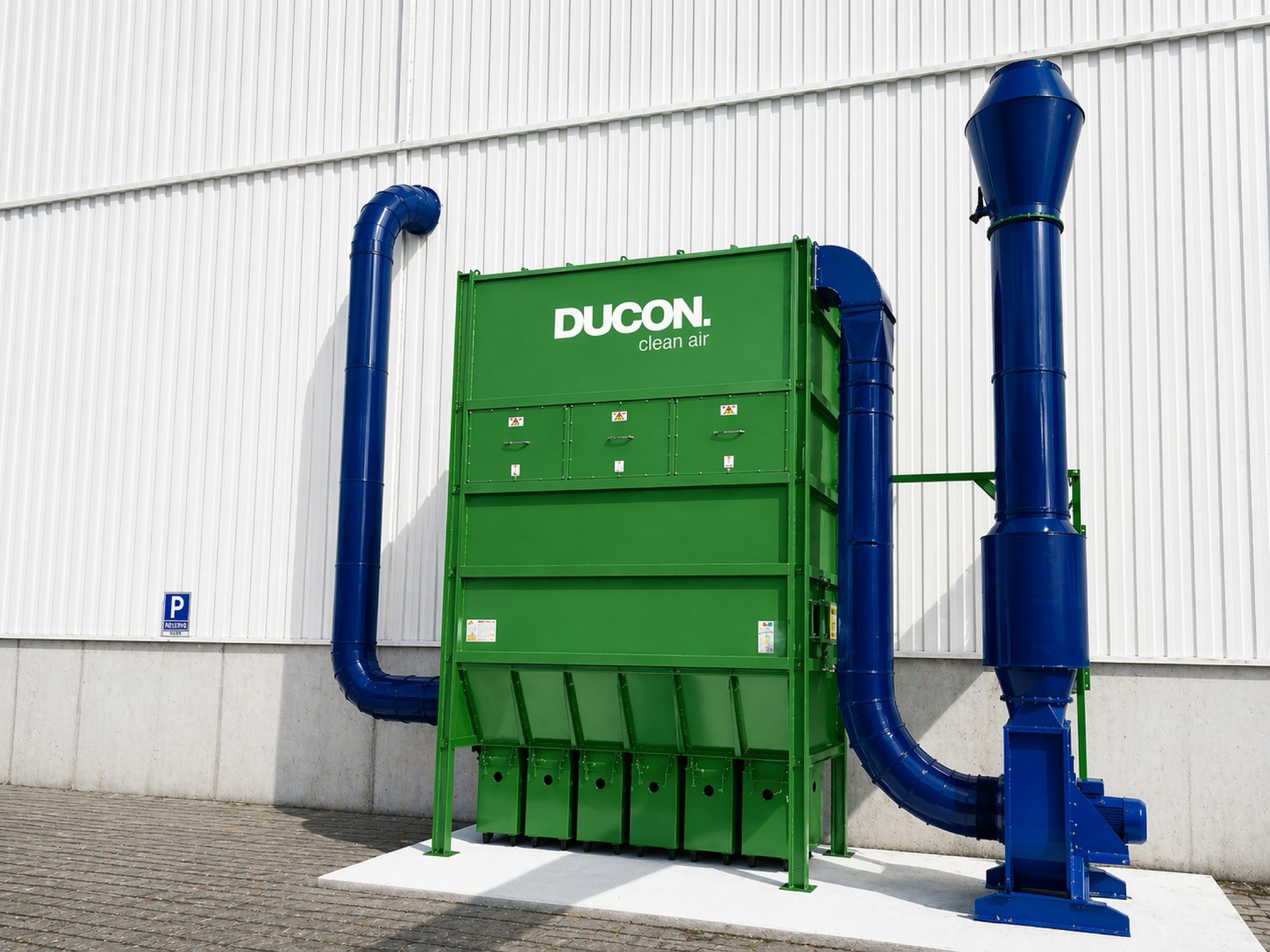
lime, trona, or soda ash depending upon the system requirements. A dry system utilizes either a Baghouse or an Electrostatic Precipitator for particulate removal. DUCON Environmental Systems can also recover Mercury, Dioxins, and other heavy metals by injecting impregnated activated carbon. In a semi dry  system DUCON uses two-fluid nozzles to atomize a liquid reagent slurry into fine droplets that while evaporating also cause  gaseous pollutant removal. All dry FGD system generate dry waste product and use less water as compared to a wet system. DUCON can supply dry FGD systems for inlet SO2 concentrations of over 3000 mg/Nm3 and can achieve upto 99% pollutant removal efficiencies. All dry FGD systems are custom engineered for each application
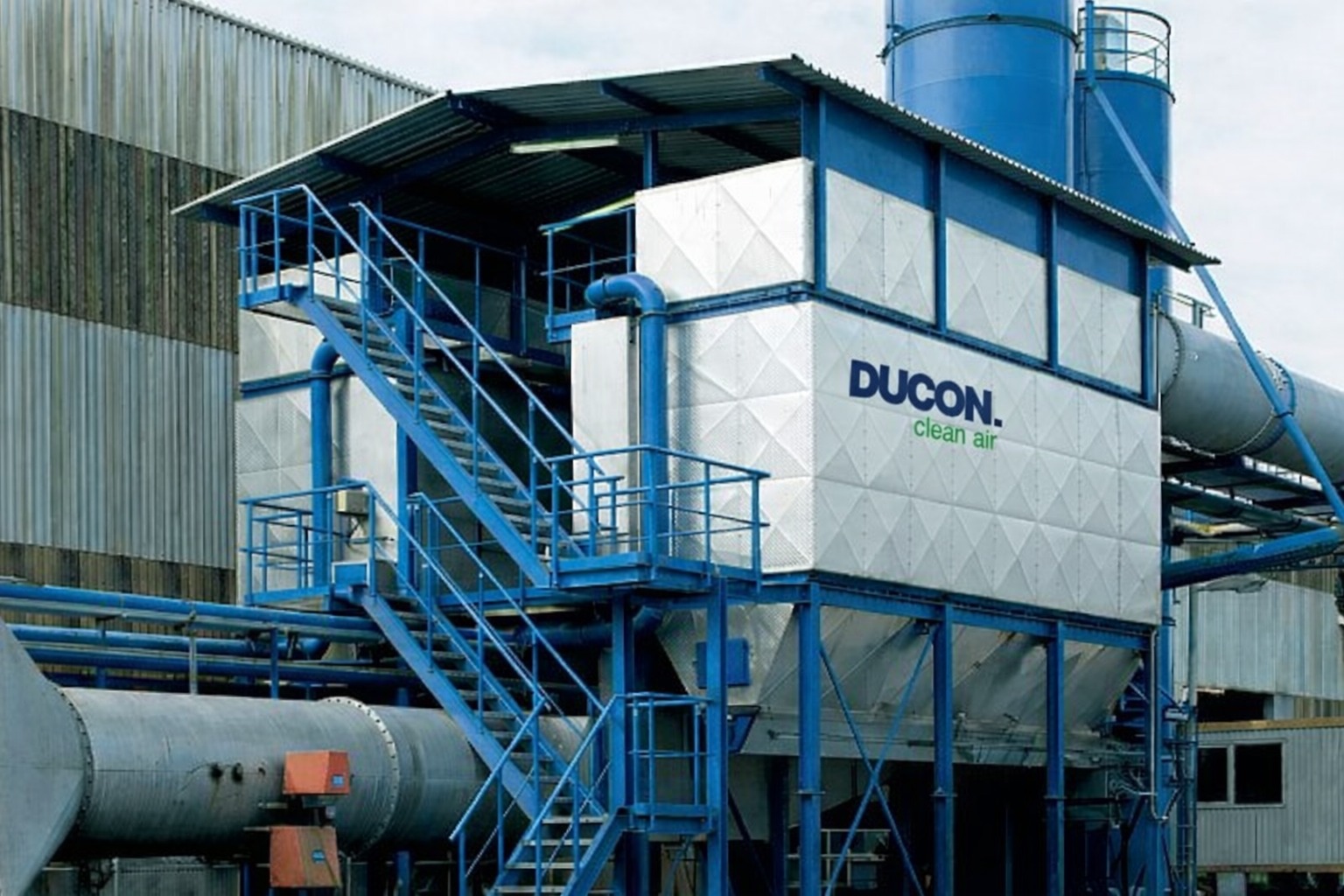
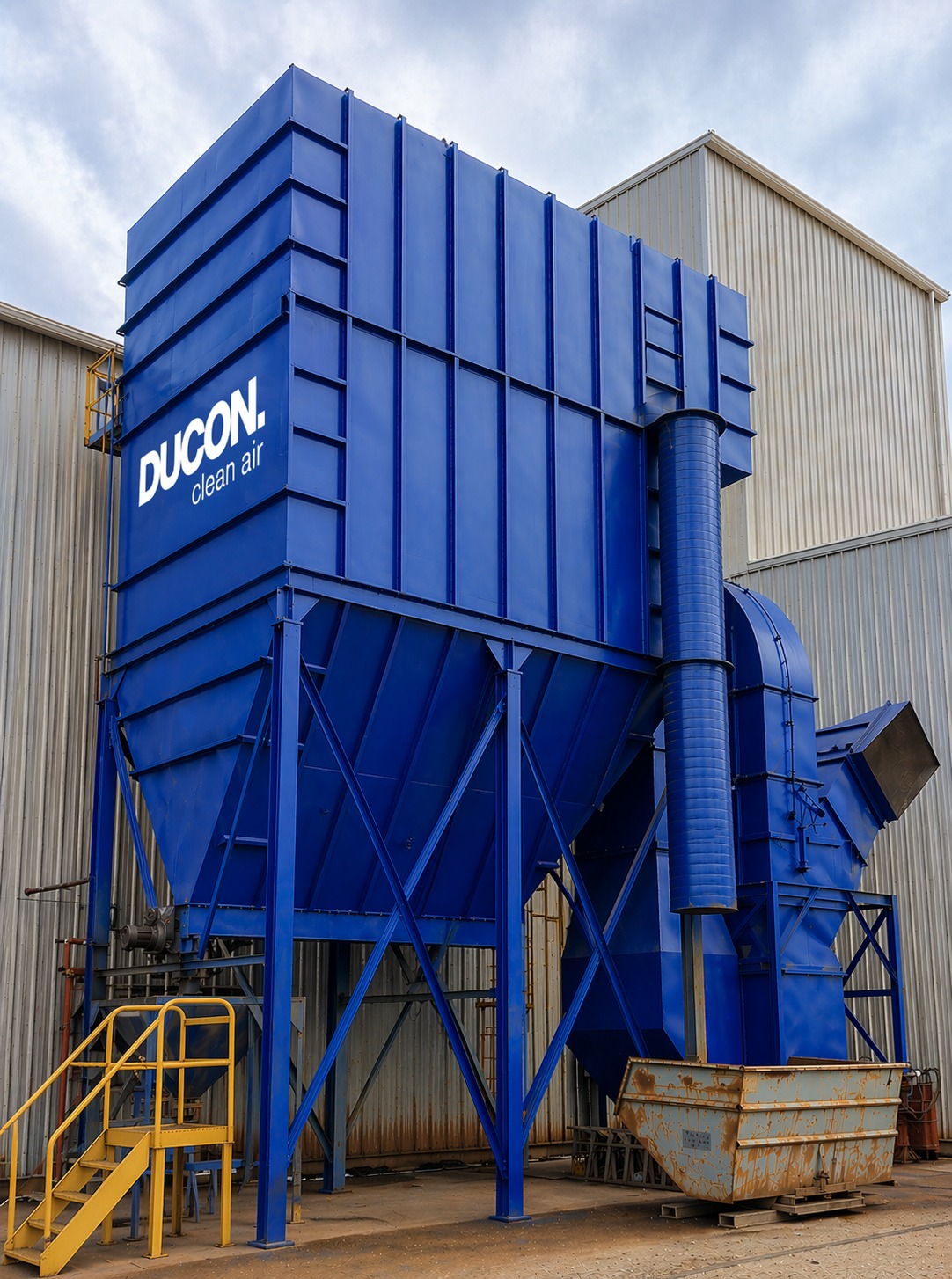
What is DSI?

  • Dry Sorbent Injection (DSI) is a modern technology used to remove acid pollutants (SO2, HCl, HF) from flue gas.
  • A powdered reactive material is injected directly into the flue-gas stream.
  • It stands out for its low capital cost and ease of installation.

How the system works

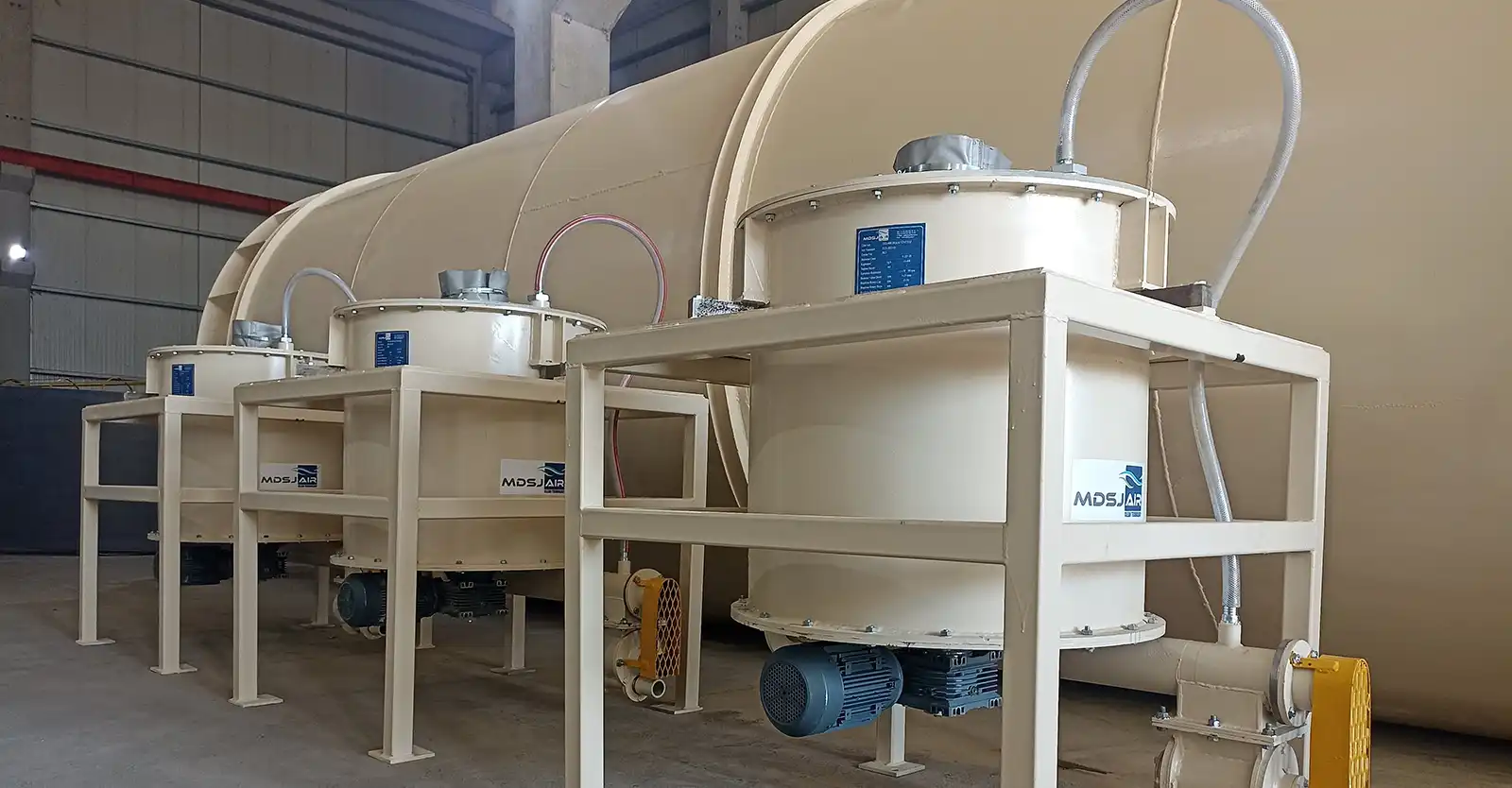
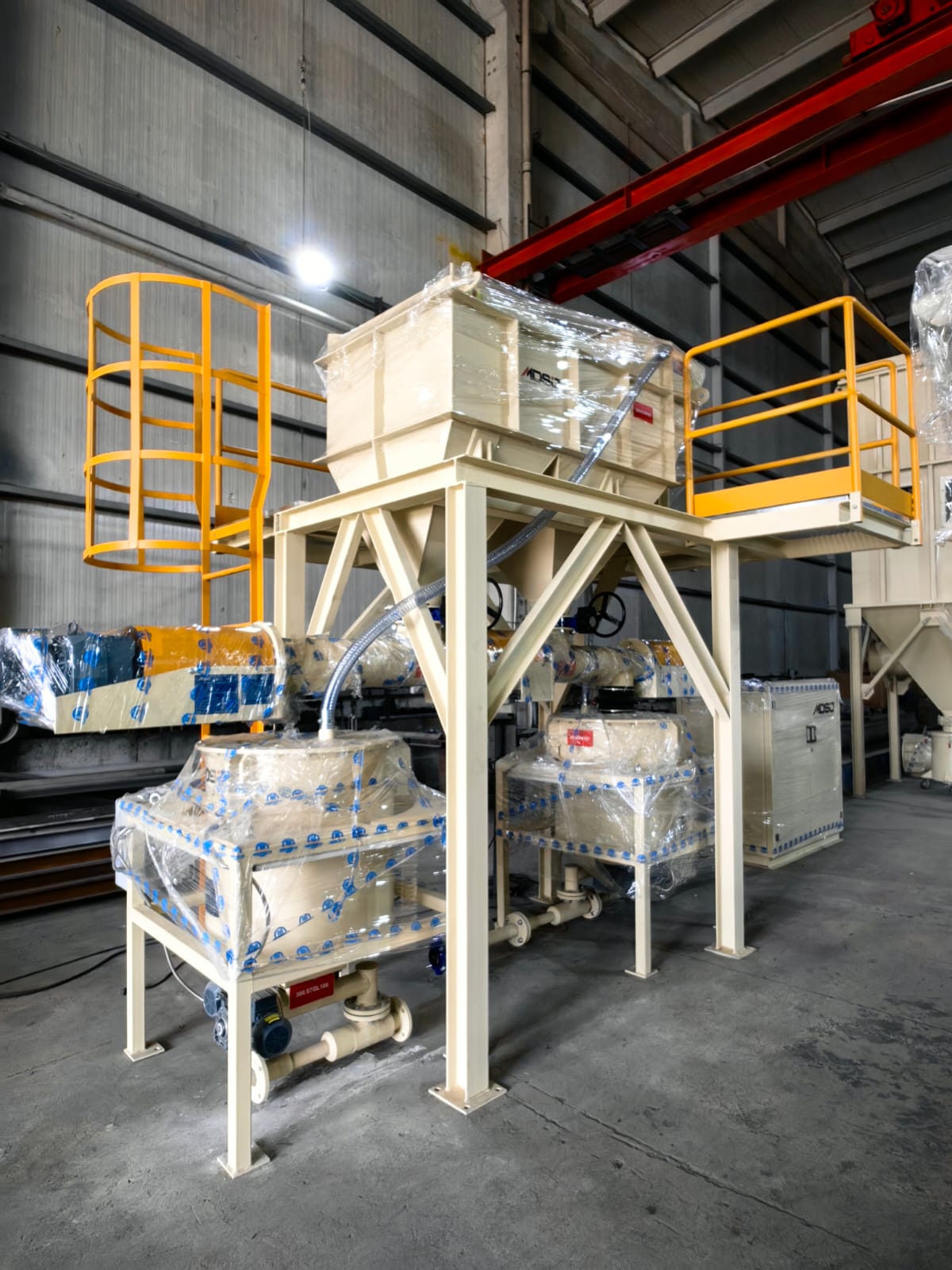
  • 1. Storage — Sorbents (trona or sodium bicarbonate) are kept in dedicated sealed silos.
  • 2. Injection — Precision dosing units distribute the material into the gas duct homogeneously.
  • 3. Filtration — Solid particles formed after the reaction are captured in the bag filter and removed from the system.

Why DSI? Advantages

  • Cost: Much lower capital expenditure compared to wet scrubbers.
  • Footprint: Compact design integrates easily with existing plants.
  • Water use: Fully dry process — no water consumption or wastewater treatment.
  • Flexibility: Real-time dosing adjustment to keep pace with variable emission limits.

Application areas

  • Thermal power plants (coal and biomass).
  • Waste-incineration facilities.
  • Glass and ceramics factories.
  • Cement and lime production plants.
  • Iron-steel and metallurgy facilities.

Technical note

  • For removal efficiencies above 95%, in-line milling systems that increase the sorbent's active surface area can be integrated into our solutions.

Frequently Asked Questions

What is the main difference between DSI and a wet scrubber?

DSI uses a dry reagent and the reaction product is captured in the existing bag filter, whereas a wet scrubber uses liquid reagent in a scrubbing tower and generates wastewater.

Is DSI compatible with my existing bag filter?

Yes — DSI is typically integrated upstream of the existing bag filter; the filtration area and pressure-drop margin should be re-checked.

Which sorbent should be used?

Sodium bicarbonate or trona usually performs best for SO2-driven emissions; hydrated lime is typical for HCl/HF-driven emissions.

Quick Info

Neutralizes acid pollutants (SO2, HCl, HF) directly in the gas phase
Significantly lower initial investment than wet scrubbers
Fully dry process — no water consumption or wastewater treatment needed

HTML Engineering Resources

Jump to the application page, reference project, and industry series without waiting for a PDF.

Need More Information?

Our expert team is ready to provide customized solutions.

Contact Us Request Quote

Embed This Product

Copy the code below and paste it into your website.

Want to learn more about this product?

Our expert team is ready to provide you with customized solutions.