 Türkçe
 English
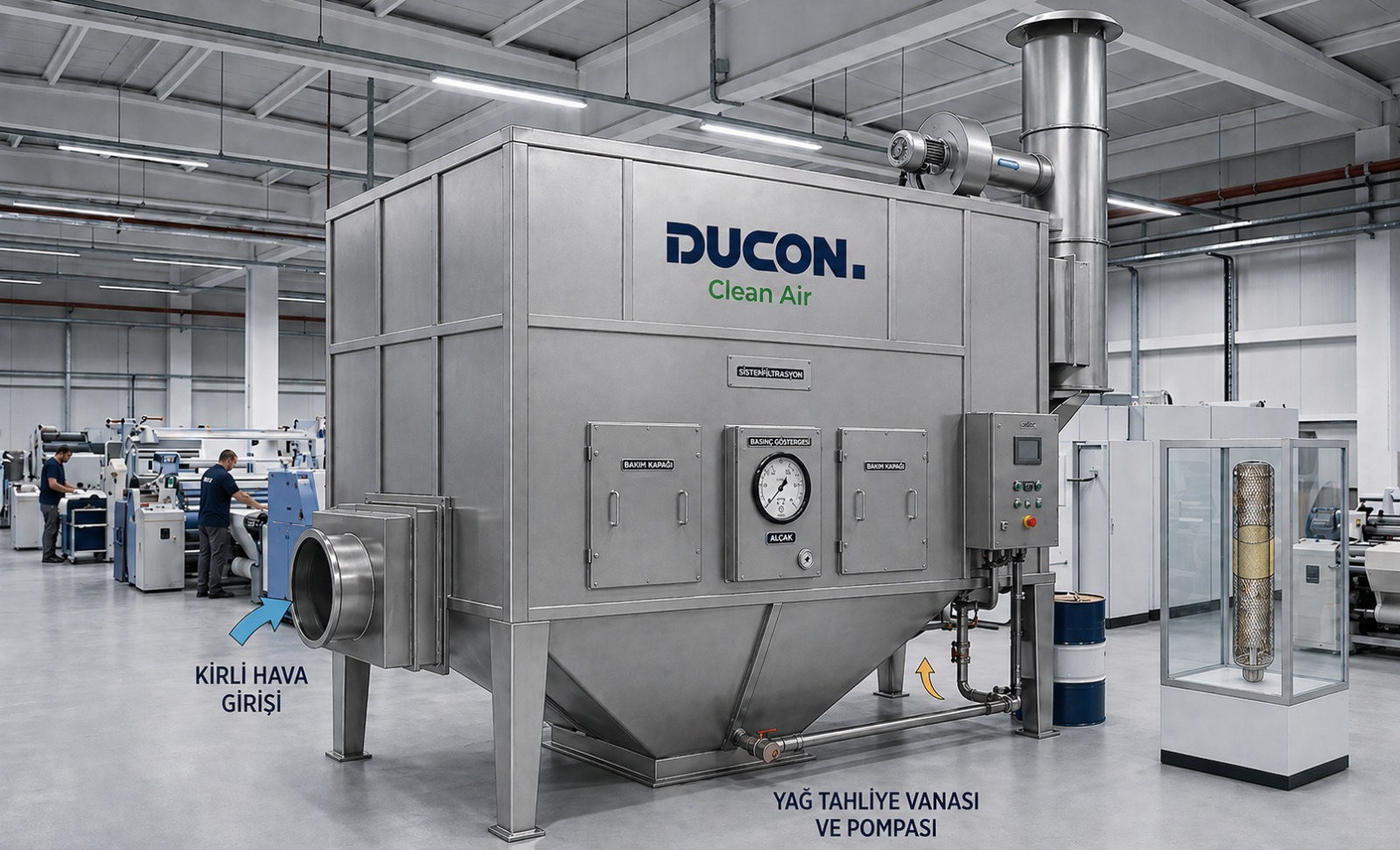

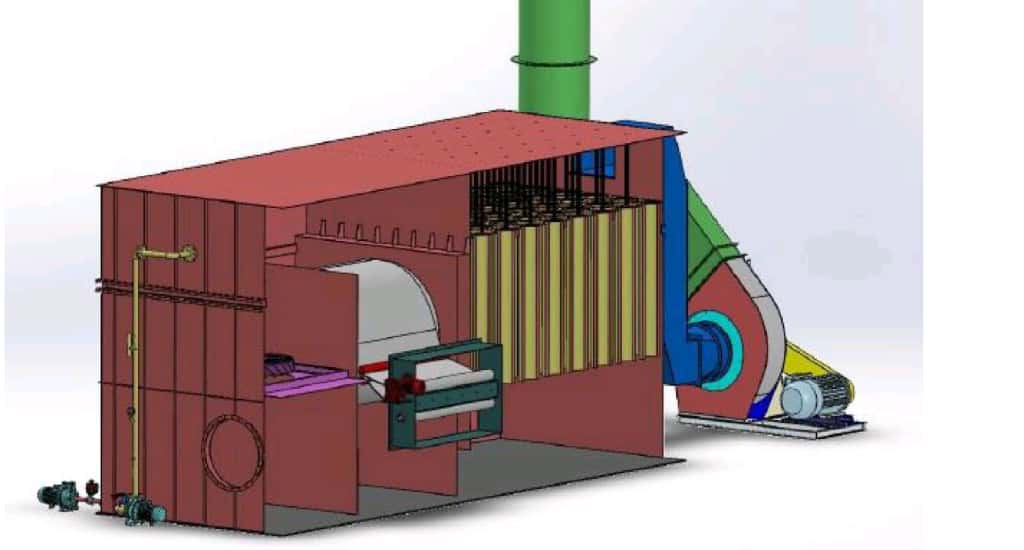
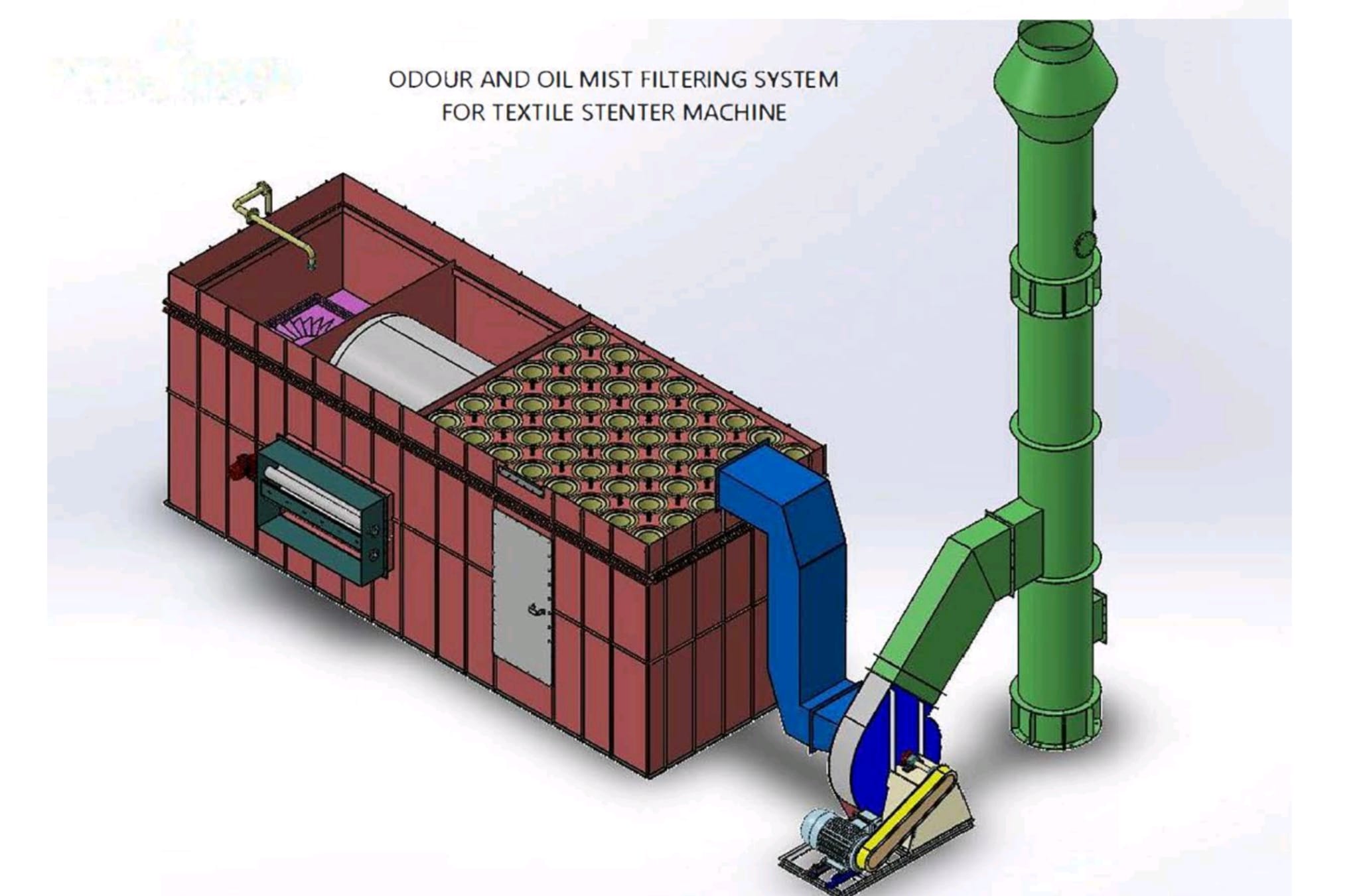
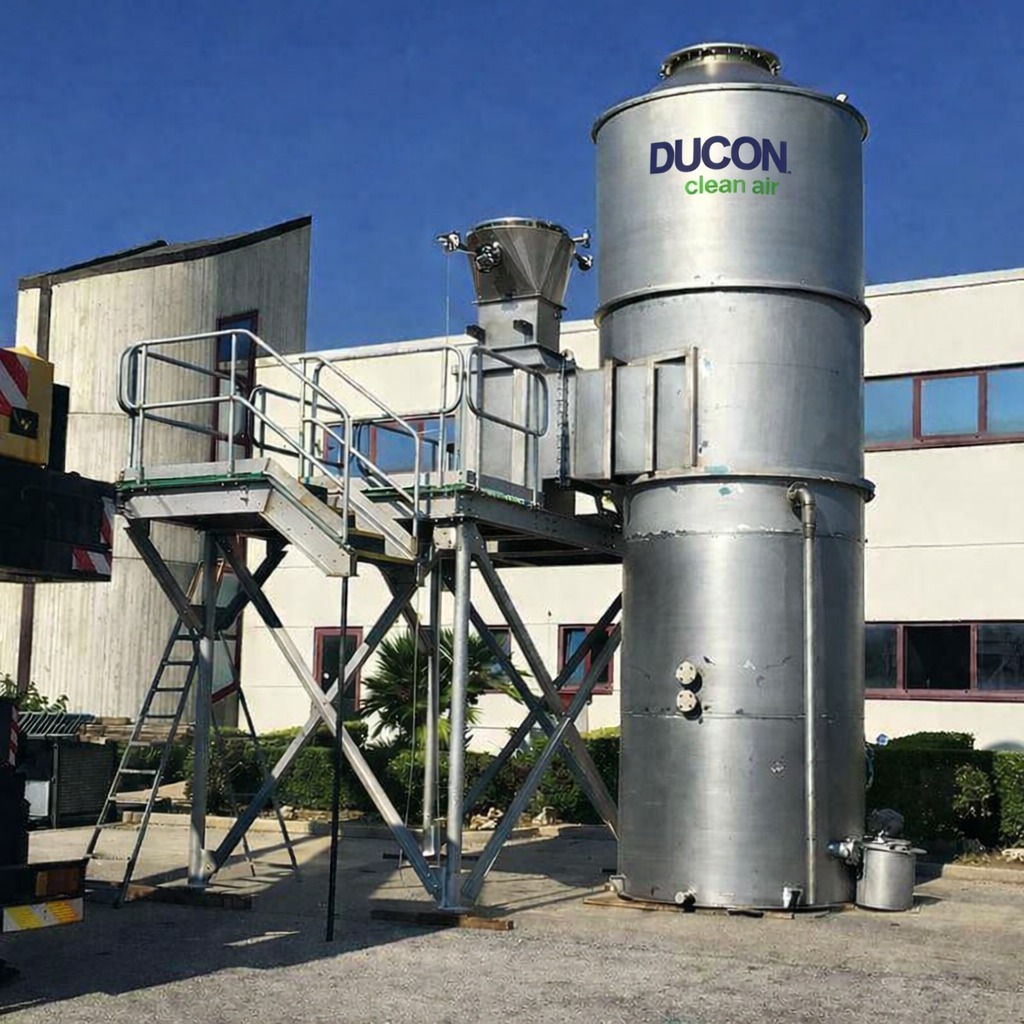
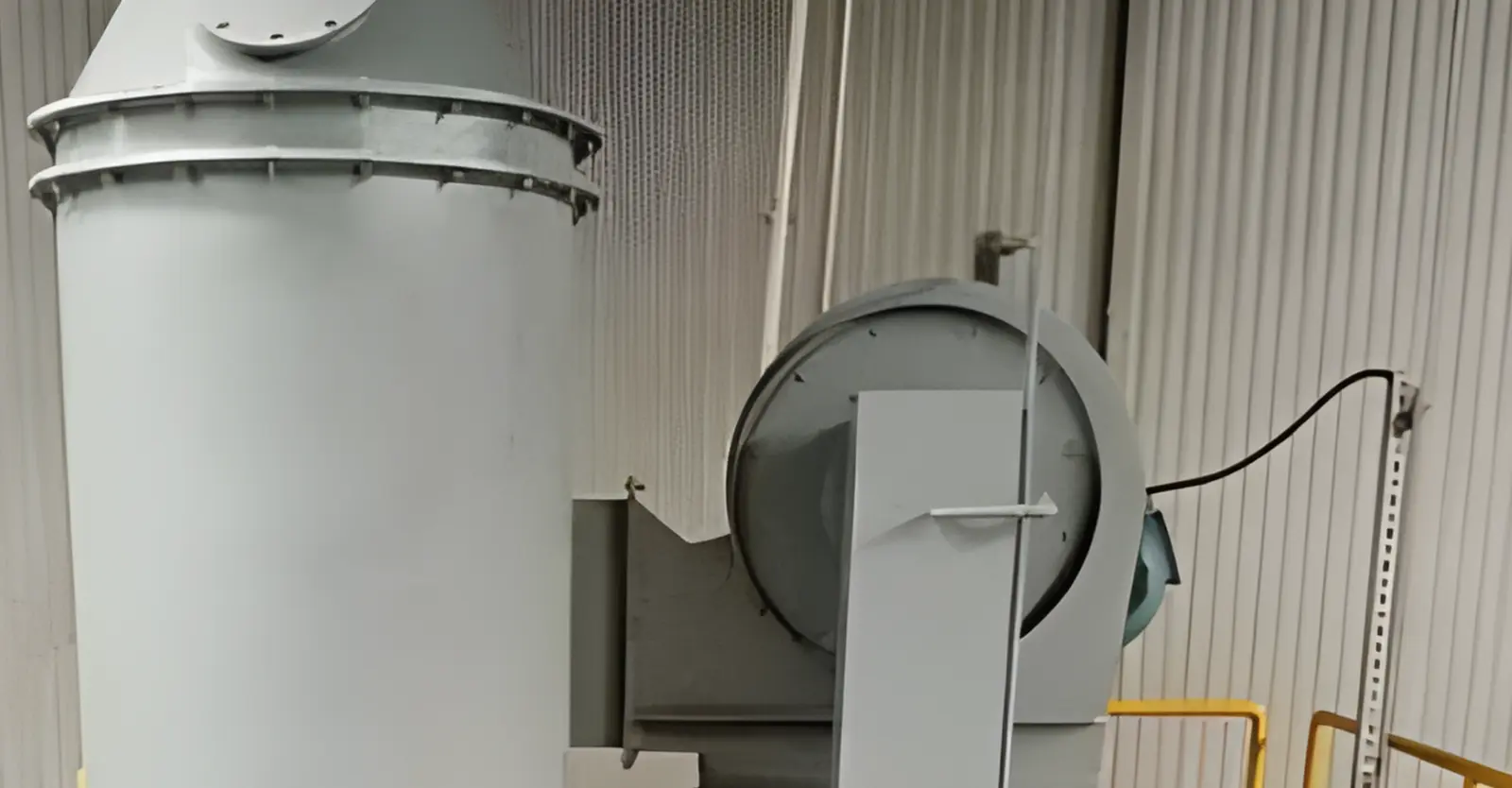
In the textile industry, Fiber Bed Mist Eliminators installed at the stack outlets of stenter (ramöz) machines are high-efficiency industrial solutions designed to capture airborne oil mist, blue smoke and sub-micron particulates.
1. Operating Principle
Unlike conventional mechanical filters, fiber bed eliminators rely on Brownian diffusion. As the contaminated gas passes through a dense bed of fine glass or synthetic fibers, three distinct mechanisms take place:
- Capture: Oil droplets as small as 0.1 micron impact and adhere to the fibers.
- Coalescence: Captured droplets merge into larger drops that drain to the bottom of the bed under gravity.
- Self-Cleaning: Because the collected oil is liquid and runs off continuously, the bed does not blind unless solid dust is present.
2. Main Components & Construction
The systems are typically modular and built for long service life:
- Fiber Bed: Engineered-density mat made of fiberglass, polypropylene or polyester.
- Support Cage: Stainless steel or corrosion-resistant alloy support structure.
- Drainage System: Collection sump where the recovered oil is drained off or routed to recovery.
Key Advantages
- Blue Smoke Elimination: Fully removes the visible plume from the stack.
- Fire Safety: Prevents oil build-up in ductwork, minimizing fire risk.
- Low Energy Consumption: Uses significantly less power than electrostatic systems.
- Long Service Life: No moving parts, so the risk of mechanical failure is very low.
3. Comparison Analysis
| Feature | Fiber Bed Filter | Electrostatic Precipitator (ESP) |
|---|---|---|
| Operating Principle | Mechanical diffusion & impaction | Electrical ionization |
| Maintenance | Rare (no washing required) | Frequent (plate cleaning required) |
| Oil Capture Efficiency | 99%+ (sub-micron included) | 90–95% (variable) |
| Energy Consumption | Low | High |
This document is for information purposes only. Engineering approval is required for application details.